Artist Gallery Residency
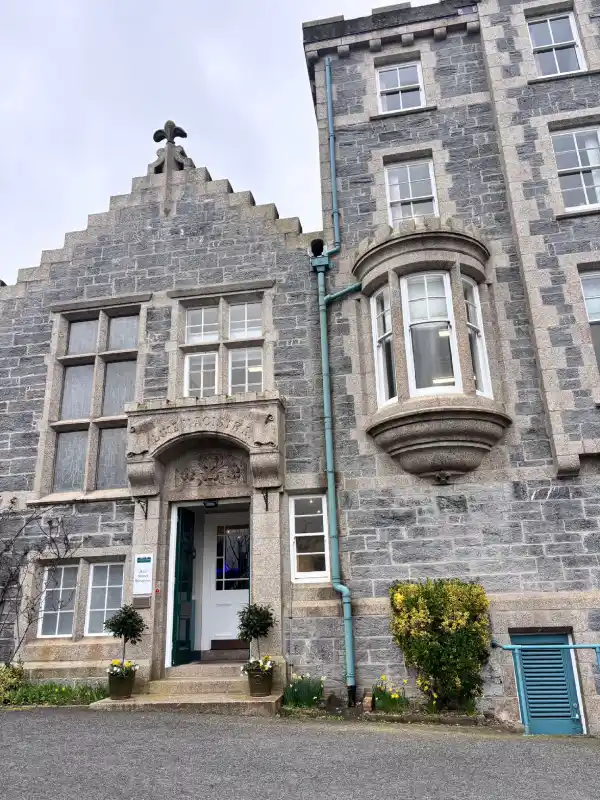
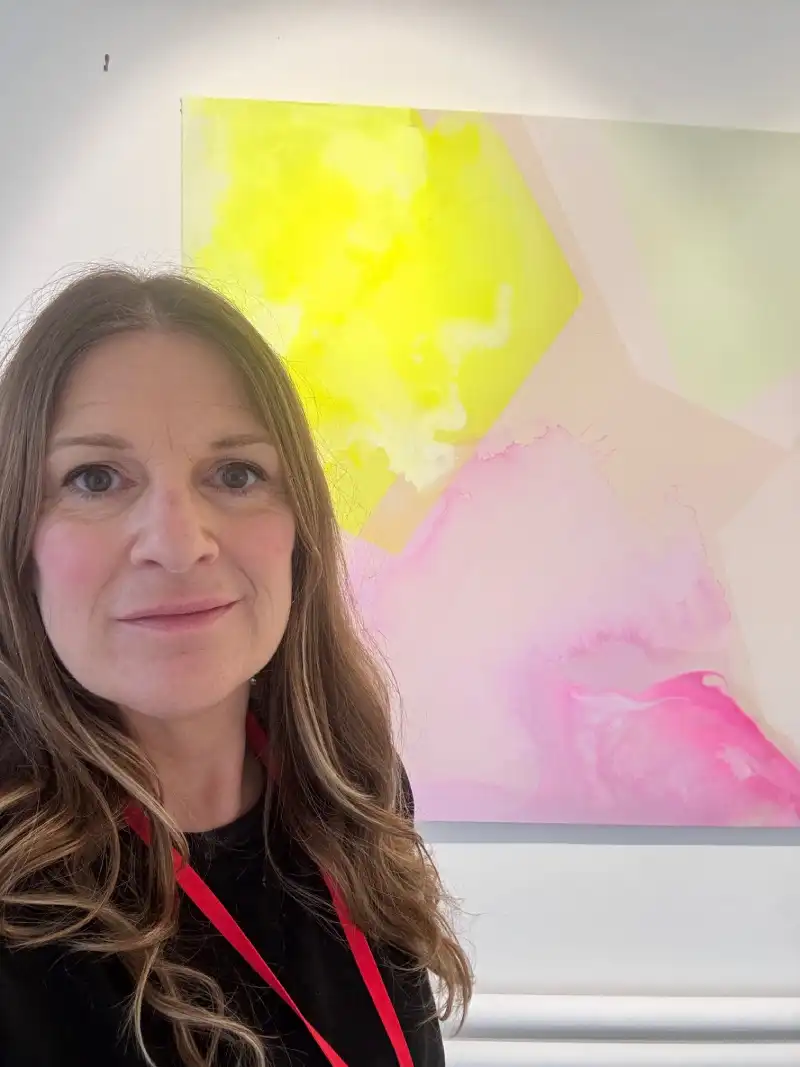
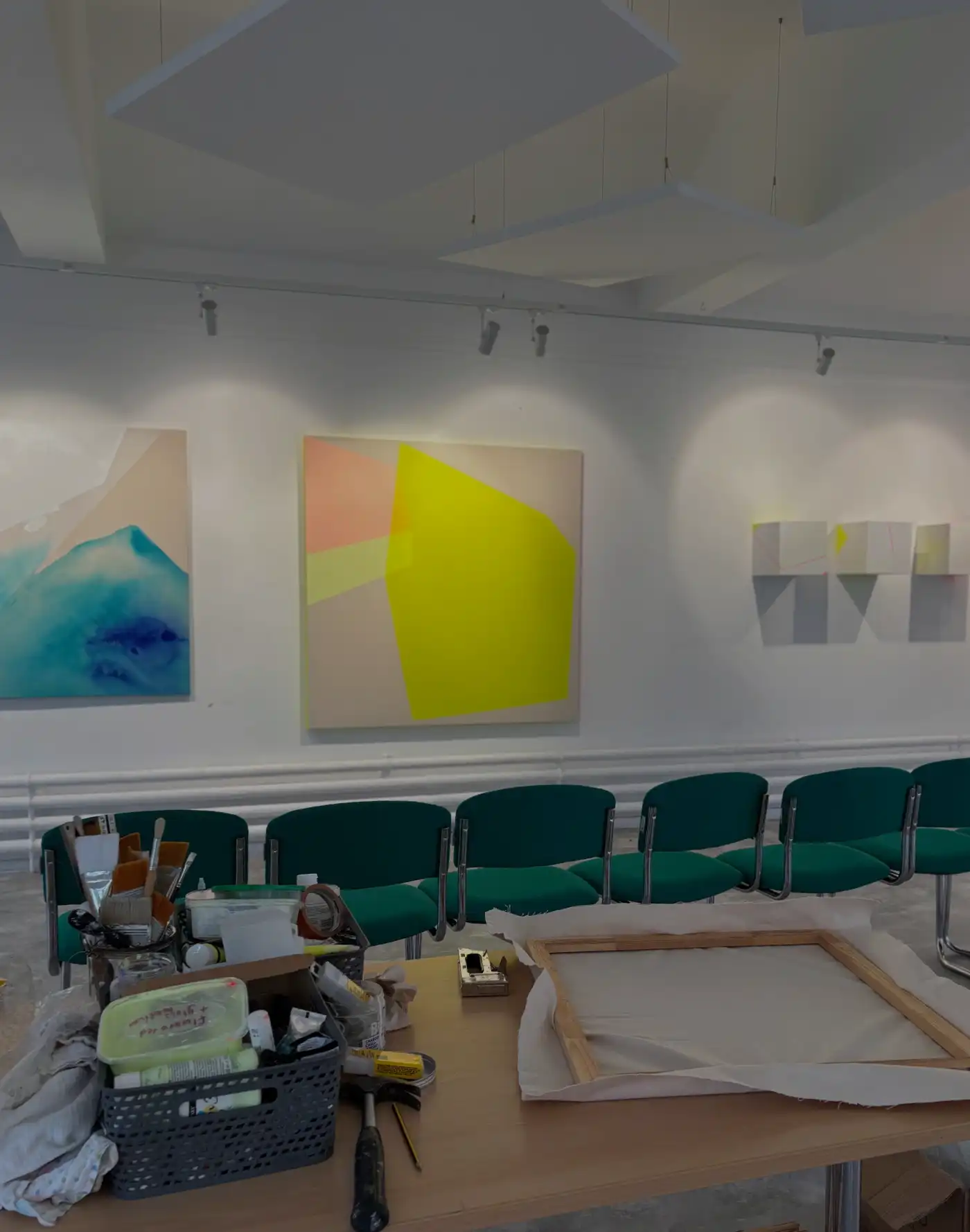
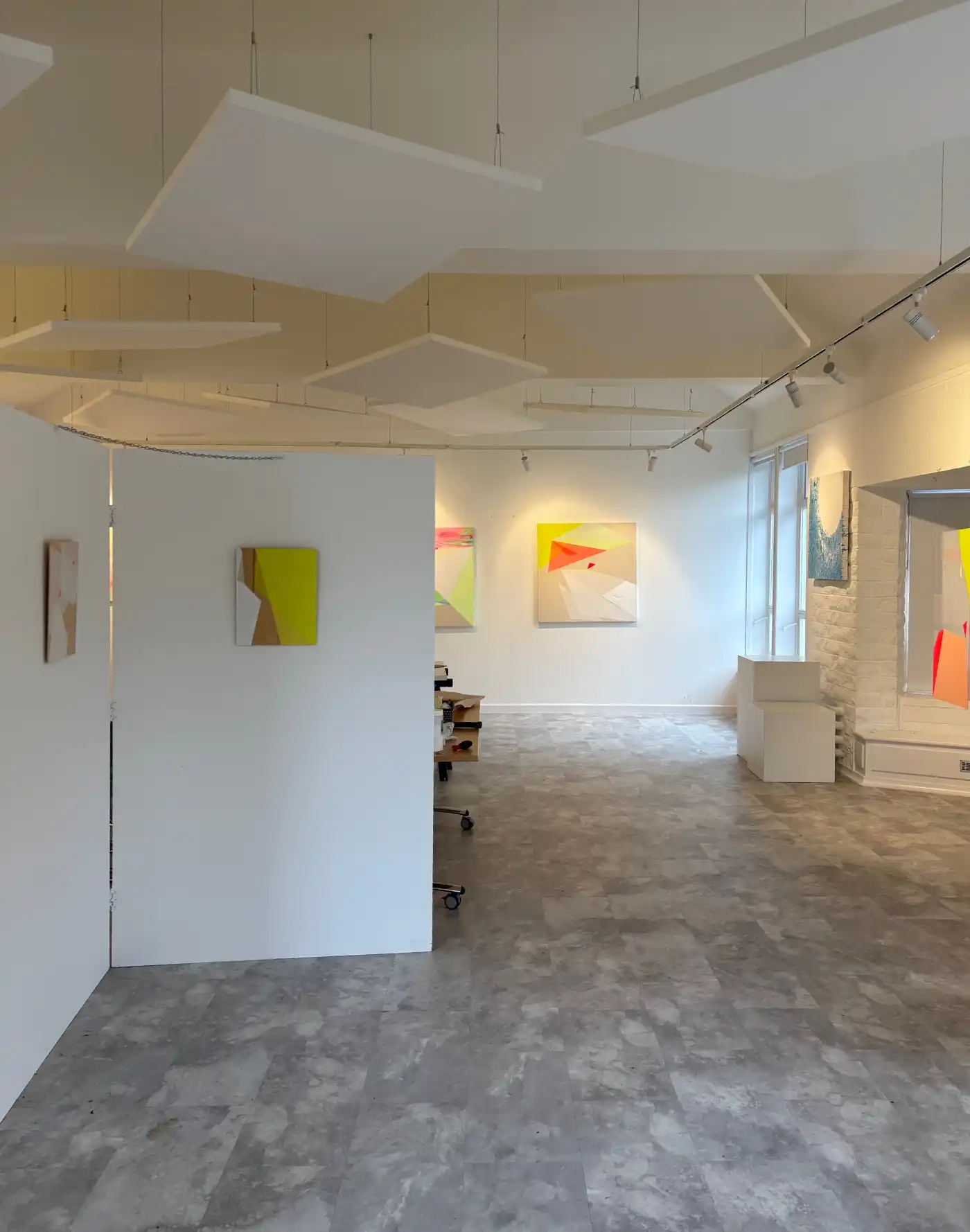
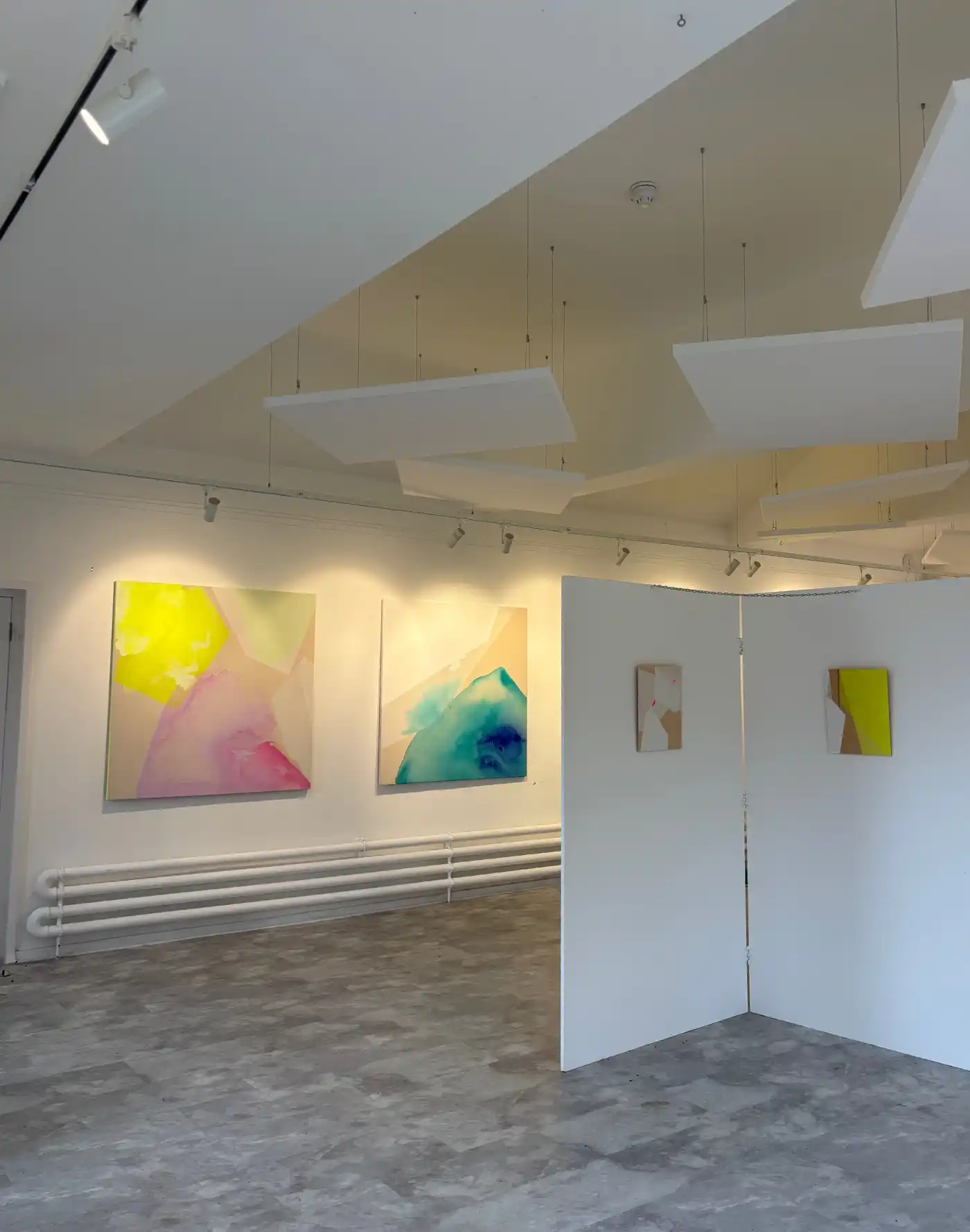
For the last fortnight I was delighted to take up residence in the gallery at Truro High School for Girls .
A lovely warm welcome was waiting for me over the last two weeks and it’s been a really varied experience to be in an educational setting and to take part in bringing abstraction and colour in contemporary art practice to these young people and seeing the different ways in which they can engage with it as a part of their academic syllabus.
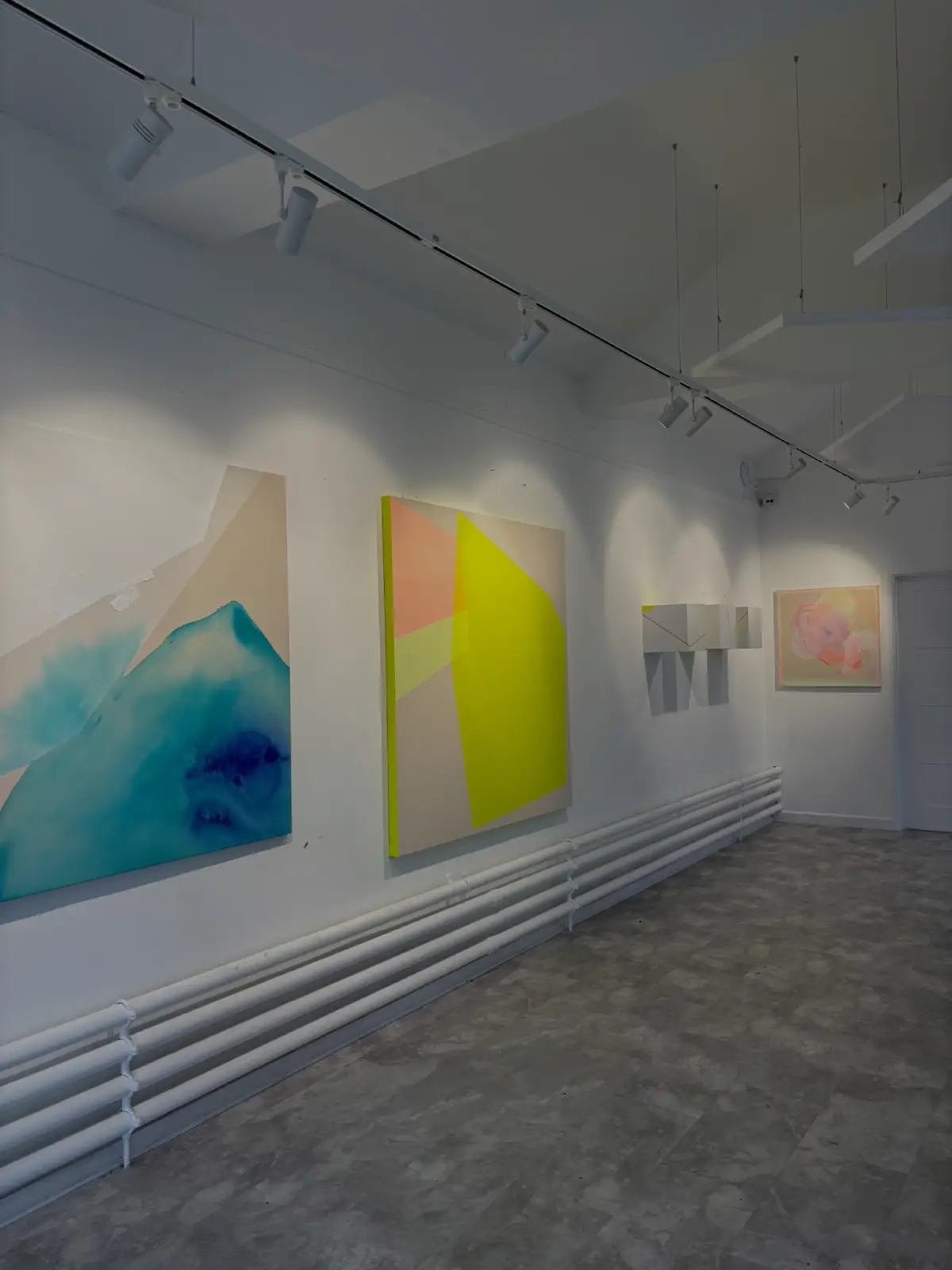
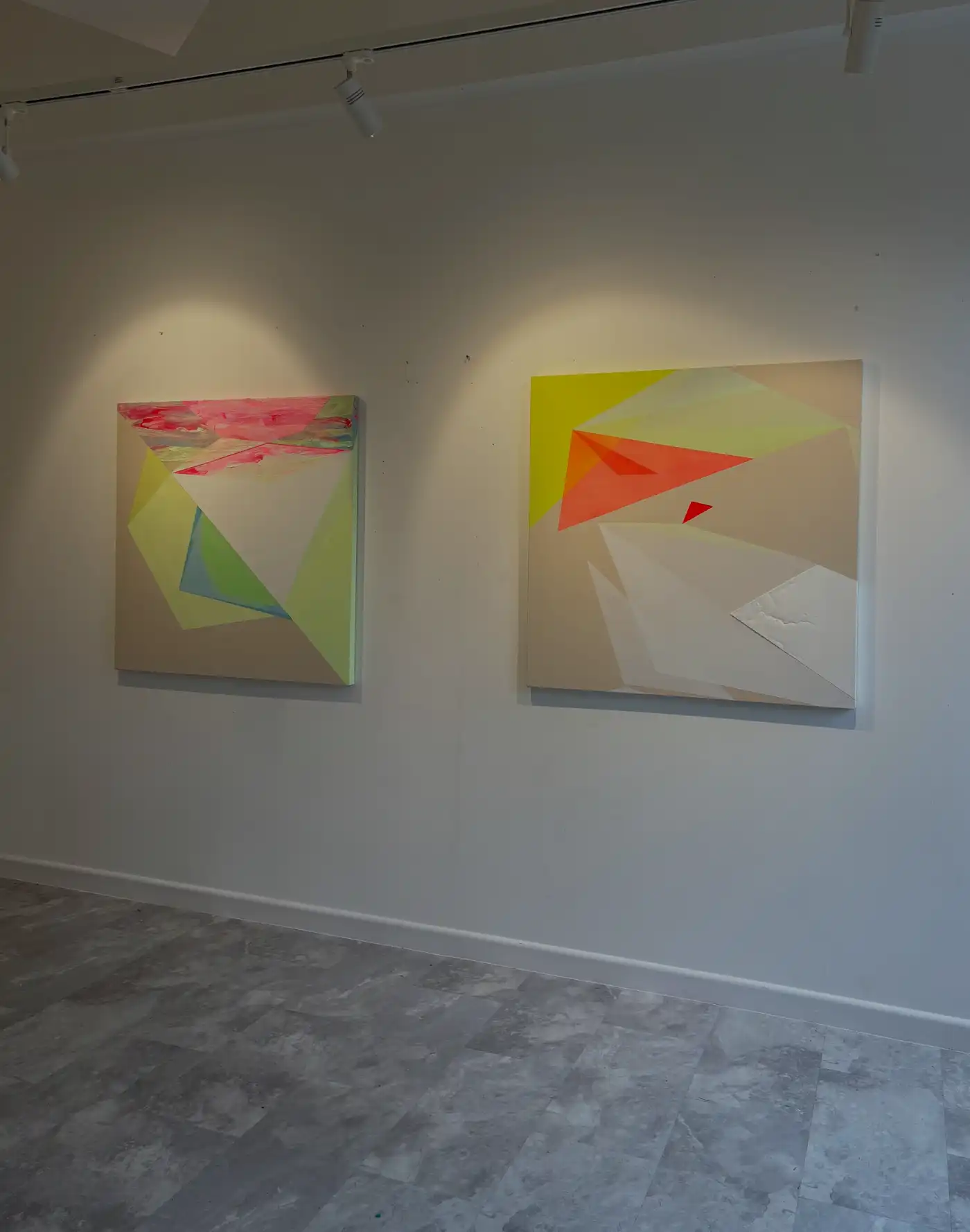
I took over a selection of recent works, pieces in 3D large scale works ad one or two older pieces to demonstrate how artwork practice can evolve and to show the different lines of enquiry that can emerge from an experimental approach to painting.
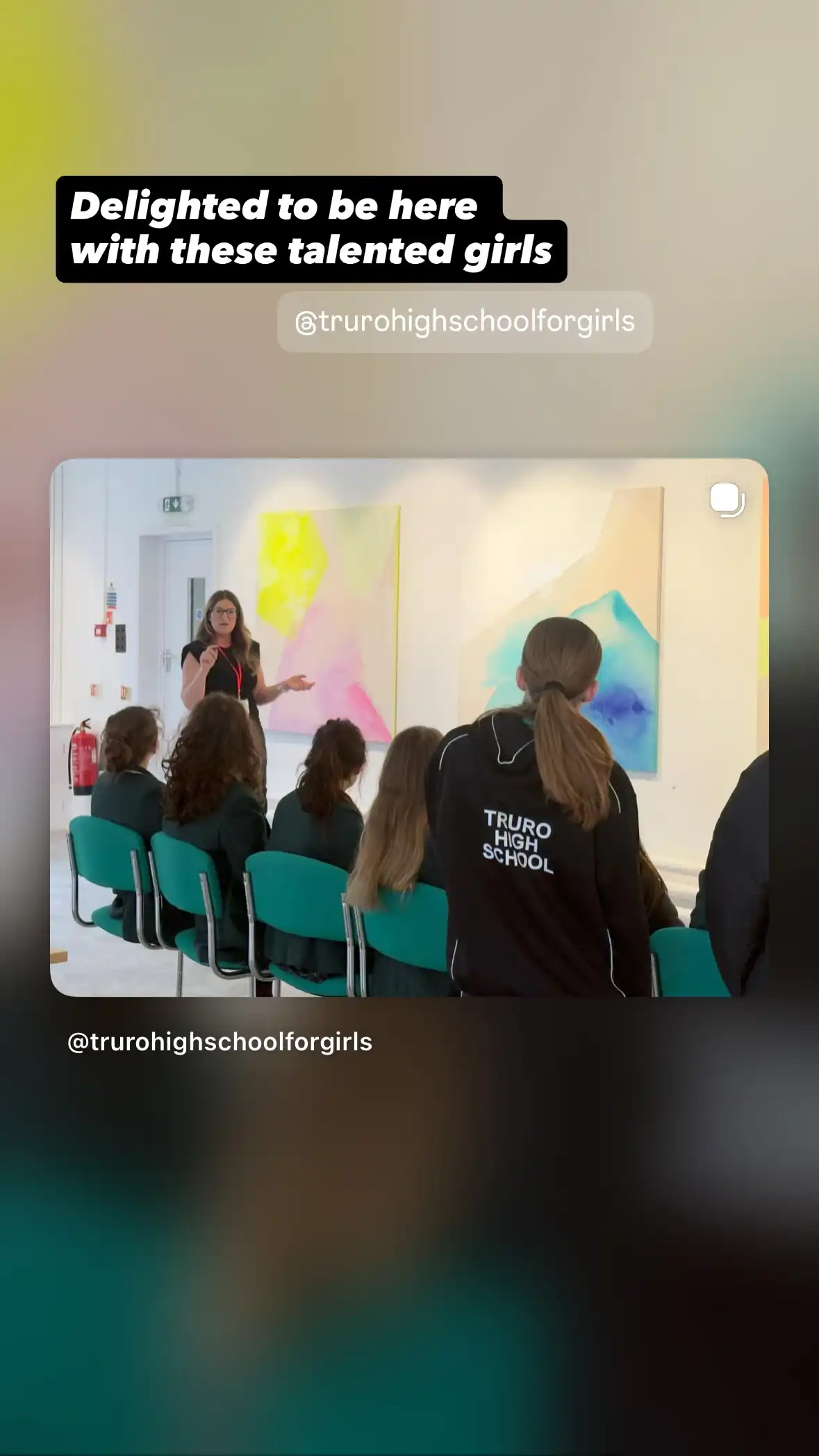
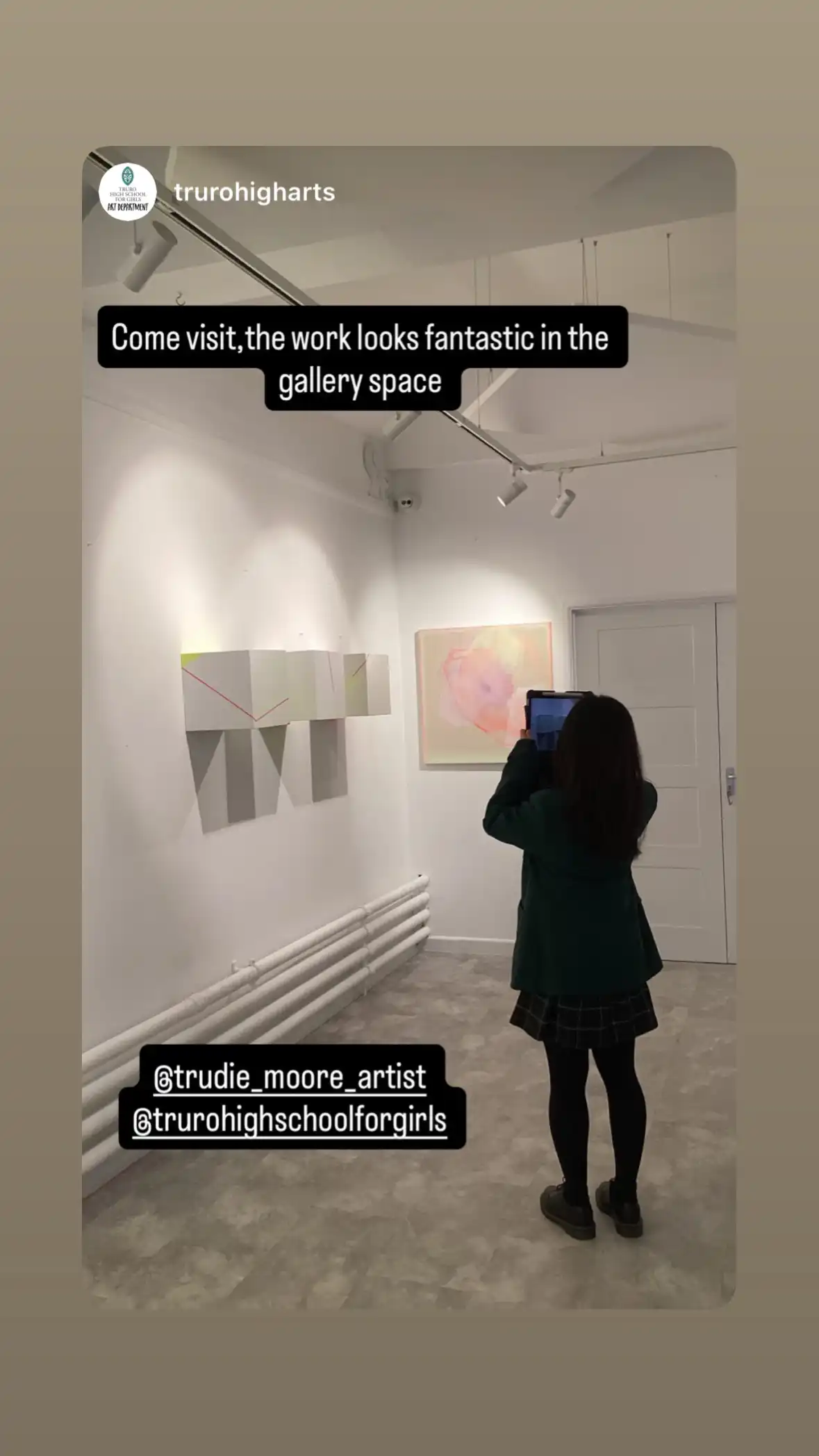
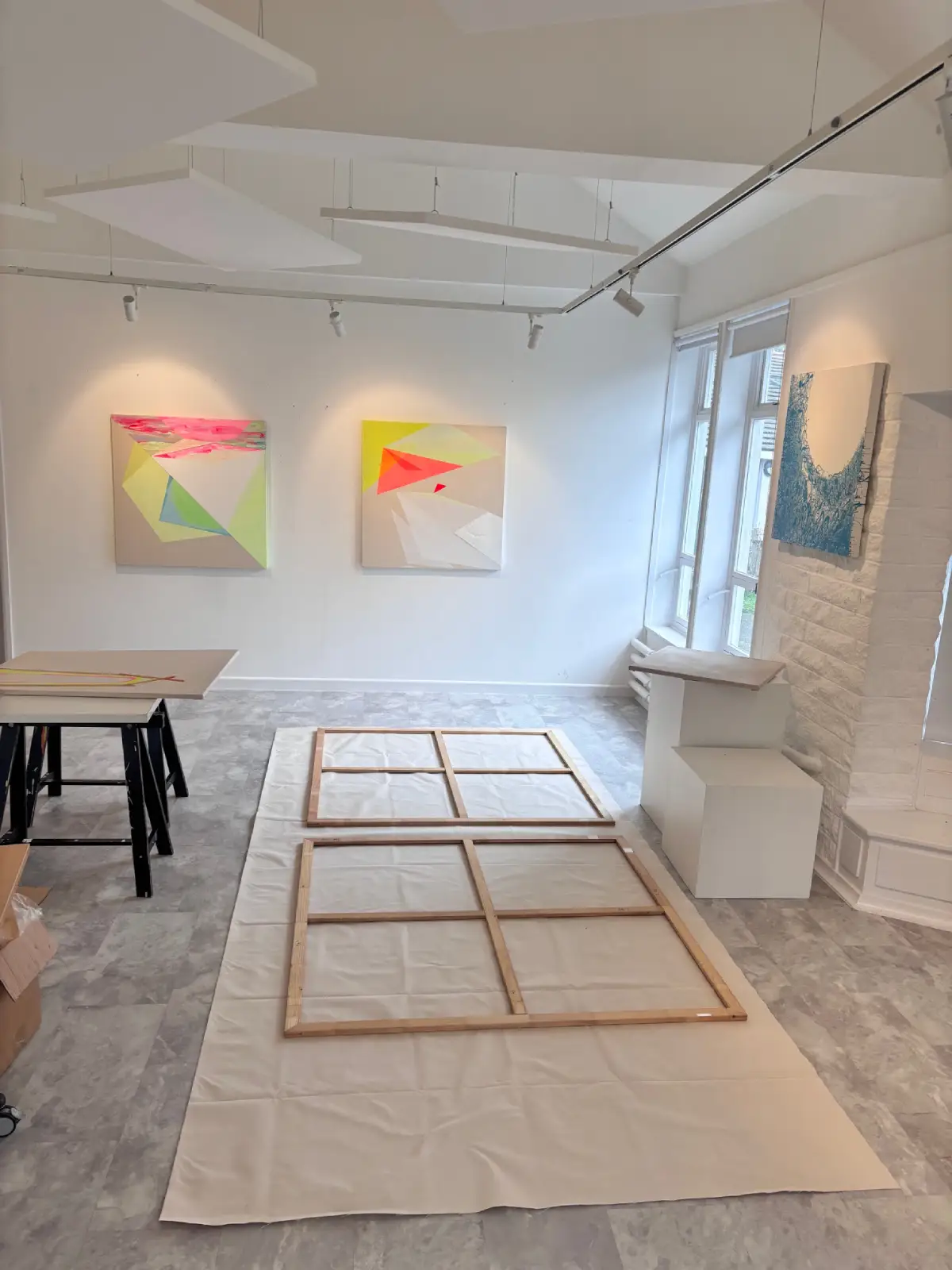
Truro High is really well equipped with a gallery to be able to run shows for the pupils and visiting artists and I had the freedom to start on new work whilst occupying the gallery which added depth and richness to the ways the pupils can see the work and understand the processes.
Different talking points around abstraction
Together with year 9 we discussed a range of influences and concepts that go into my work and where those fit culturally. We explored ways in which other current artists use similar themes to mine ad how that sits within the context of modern art history.
I demonstrated how colour can reflect or create an emotion, and also how punk culture has used disruptive colour.
Also we had a look at balancing colour palettes with bold and energetic colour by adding softer tones, described the process painting techniques that painters such as Ian Davenport and Jackson Pollock utilised and how those have informed the materiality of my works. We covered how being precise about colour like Bridget Riley can be really important and about how slow processes lead to carefully decided actions, and how taking risks helps to find success.
Creating new pieces in week one
Week one of the residency gave me the opportunity to break away from thinking about existing works that have been lingering and to move on and cover some new ground. I don’t think I would have otherwise carved out the space so this has been a great nudge to make a start! Here’s what I did:
- Started smaller pieces on canvas and perspex
- Stretched some big canvases
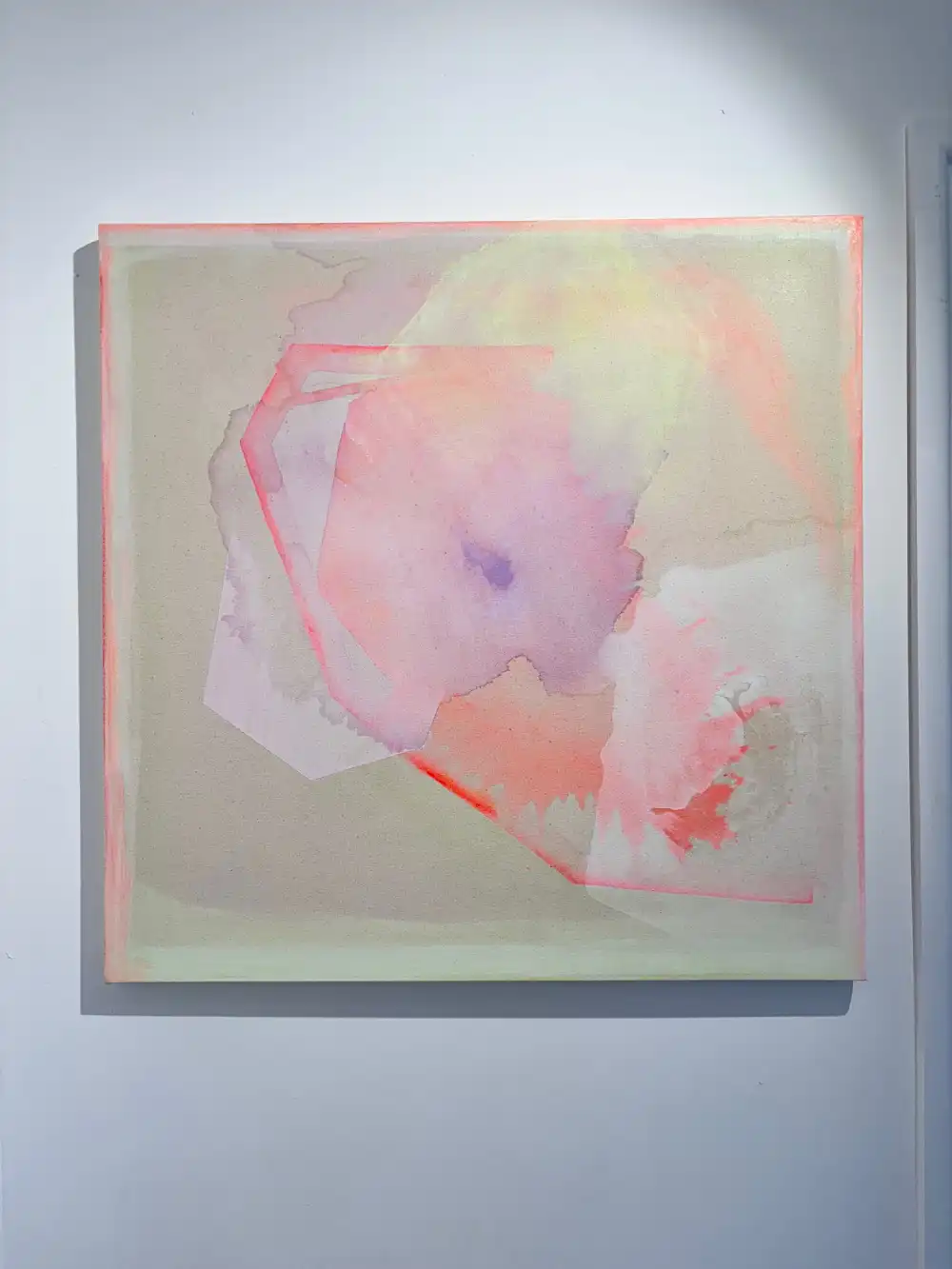
- Paint fluid forms built in layers with more delicate colour palettes
- A couple of other completely different perspex experiments
- Some planning for a future project
- Coordinated some pieces on site that were chosen in advance for the properties that I wanted to talk to the pupils about
It was clear by the end of week one that the change of location and the feel of the place has put me into a different mindset and has stimulated some altered visual results both in terms of colour and form and relaxing the geometrics to create some fluidity.
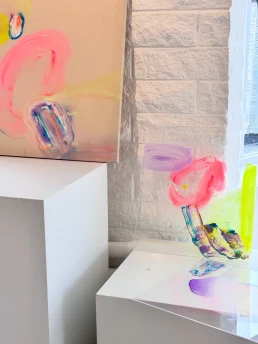
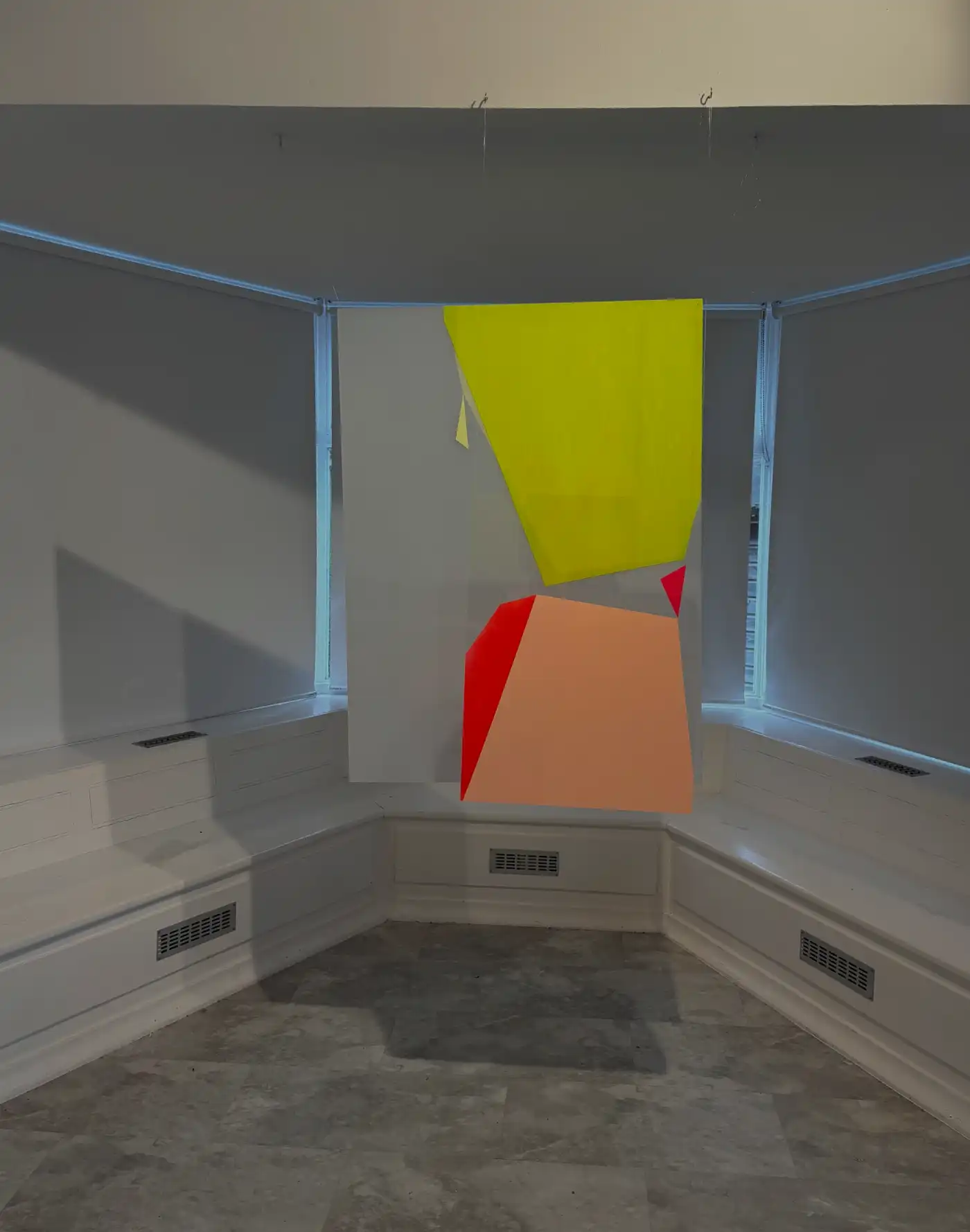
I have taken away some of my own sets of rules around what the paintings need to be like and have delved into being a little freer. The perspex panels are a layered (front to back) painting and have been sat around in the studio for a long time with a lack of decision around starting them. Painting them now, in synchronicity with the smaller canvas has become a 3D layered triptych that partners the canvas so that when hung the two paintings can accompany one another in telling the story of the materiality.
I also did some work to one of the large canvases which started with a glimmer of a thought prior to beginning, but in the end I dived in and responded to the outcomes of the initial application as it started to form.
.
Talking about process, materials and switching the lights off!
With a smaller group of year 12 & 13 pupils we had a great time talking about the physical painting process, how a painting started, how I would make a start on the two large pieces I had just stretched and going from blank canvas to making the first ambitious and risky first move, but then moving past that to manipulating the materials and then allowing them to sit and find their place.
- We chatted about control of materials, and again, risking the painting while adding areas of colour and doing big pours and hoping for the best, but then appreciating the unplanned things that can happen and seeing where they take the painting. Then onto living with the artwork to see how it might develop and seeing how that can help with decision making as the piece progresses.
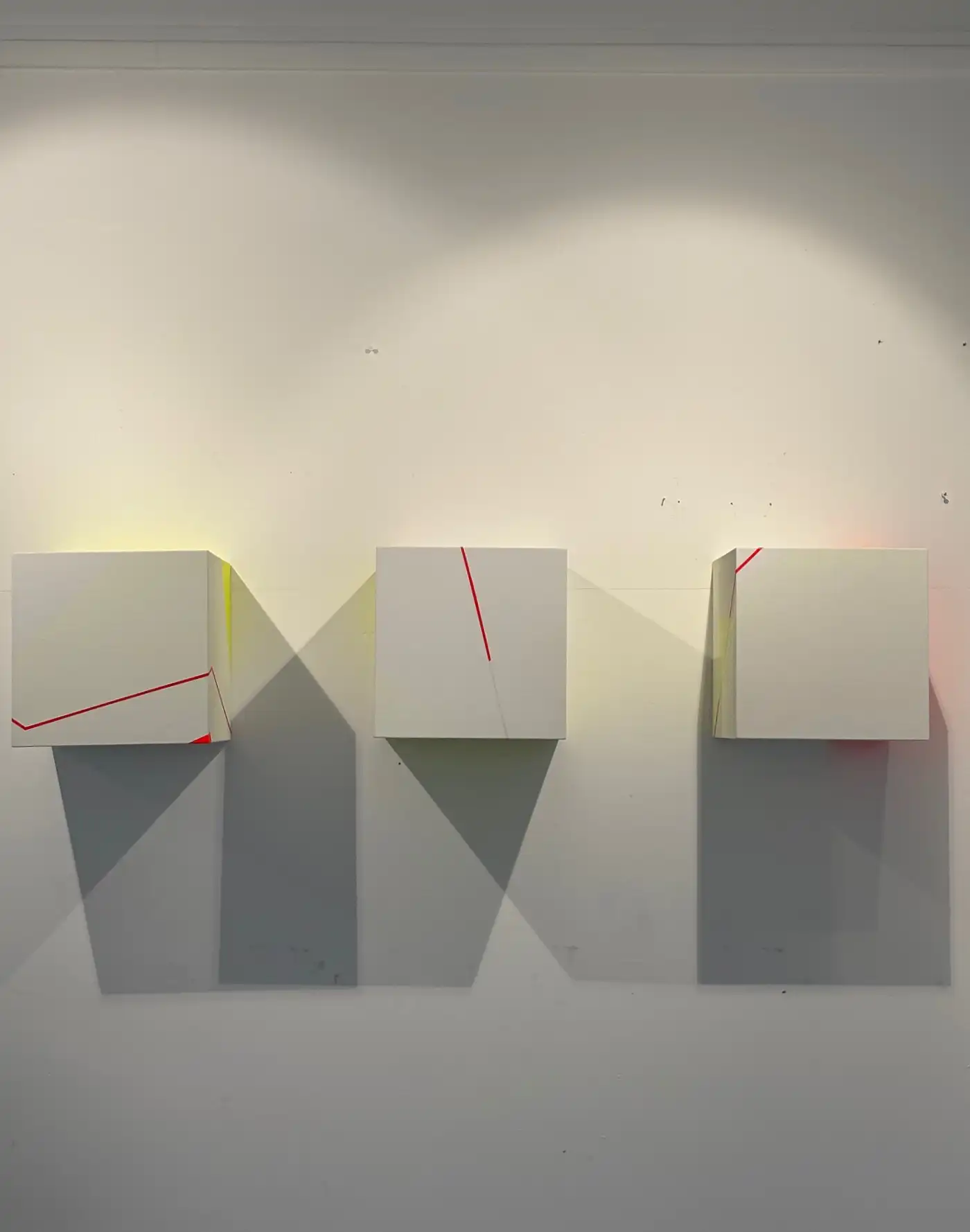
- We looked at the potential for different materials and different iterations of themes and how they would change a piece, such as canvas boxes being re-created in a transparent material and playing with the light to get the pieces to change and take on colour, shadow and then at how it adds dimensions that the viewer can see and feel.
- We demonstrated how multiple pieces can be considered as different strands of the same body of work, but seeing what different directions they go off in, and then viewing those variations that have happened over a period of time, whilst they look different, as being a cohesive collection (with a little side note on how this is very different in a fine art practice to being a commercial artist, where the same formula is repeated to create customer / viewer understanding and recognition). In this practice it’s about risk taking and developing ideas without rules in order to make discoveries that push the practice forwards.
When we looked at colour and the luminosity of the light on the paint we had a go at switching off the lights to see how the effect of changing the lighting might increase the charge of the colour in the dark ( as I was writing this and looking out of the window I spotted the sky switch to night mode, looked straight back at my phone and the notes app also did that!) also talking about the properties of phosphorescent paint and pigments and planning to create a ‘dark version’ of a piece that uses phosphorescent pigment to glow in low light and how using a range of the innovations in materials can help to change artwork.
We then moved on to finding out about their personal projects and seeing how this gives them an individual line of enquiry, and talking about how those themes fit into the diverse range of contemporary practice, artists and genres that could be used for helpful reference in developing those themes they are working with.
Finally, we also had a go at getting the girls to rate how they felt before and after the ‘colour bath’!! They returned back to the classroom and rated if they felt uplifted by the artworks.
Week 2 – progressing paintings and sparking an interest in abstraction
I was really chuffed to see lots of year 7 & 8 pupils in the gallery with watercolours doing studies on the artworks and finding parts of process, abstraction and composition that they found appealing that they could zone in on.
The works that I had started in week one progressed quite a long way with some huge bold moves on the two large canvases, one medium painting scrapped and some well considered progression on the perspex and smaller canvas. Sadly these had to be left to dry for some while as they are quite wet and so will take more attempts to complete in the studio, however I’ll photograph then and maybe will be able to bring them back to exhibit!
Thank you Truro High School for Girls for a truly memorable fortnight
It’s been a valuable time and if you have found this interesting and would like to come to a future exhibition please join my email list below or get in touch with me
Sign up to emails
If you would like to be invited to a private view, or receive notifications for exhibition, regular updates by email from the blog, then please sign up to my email list here
or follow on Instagram or my Facebook page
Related Posts

Creative process, colour and Cornwall’s light. Uplifting and communicating through sensation and materiality.
An in depth look into how process, the…